
How to tell if hail damaged your roof
A storm rolled through and now you're wondering about the roof. Here's what I'd check first, all from the ground, and what to do if you find something.
Start with the things you can see from the ground
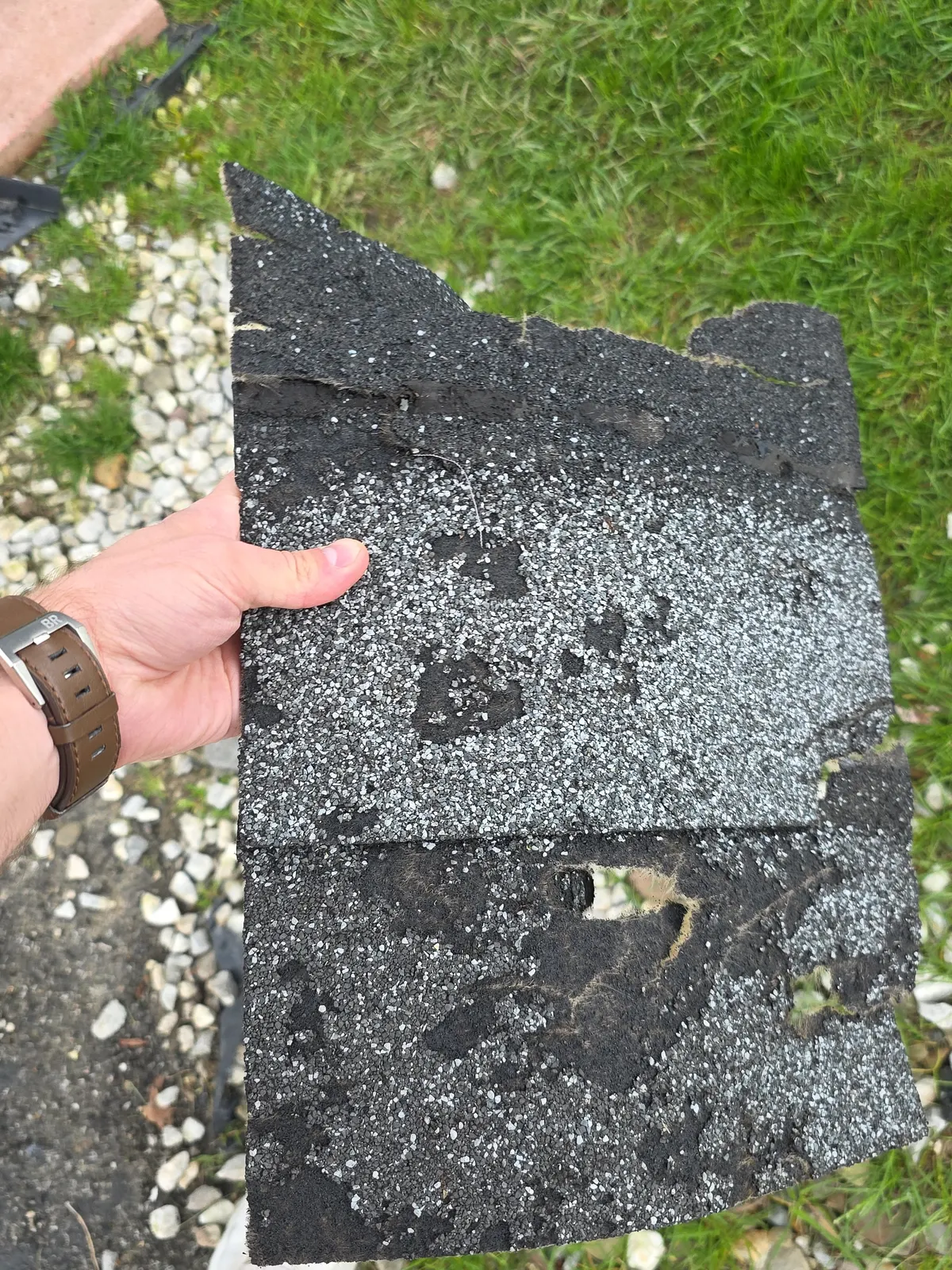
Hail damage on shingles is hard to spot from the driveway. The soft metal and outdoor stuff around your house is not. If these took a beating, your roof probably did too.
- Gutters and downspouts: round dents or dings along the top edge.
- Roof vents and flashing: dents you can see from the yard, especially on the side the storm came from.
- Air conditioner fins: bent or flattened fins on the outdoor unit.
- Siding, window wraps, and screens: chips, cracks, splits, or torn screens.
- Your car and patio furniture: dents on a hood or a torn-up patio cover mean the hail was big enough to matter.
- Granules at the bottom of downspouts: a pile of sandy, colored grit is shingle surface washing off.
What hail damage on shingles actually looks like
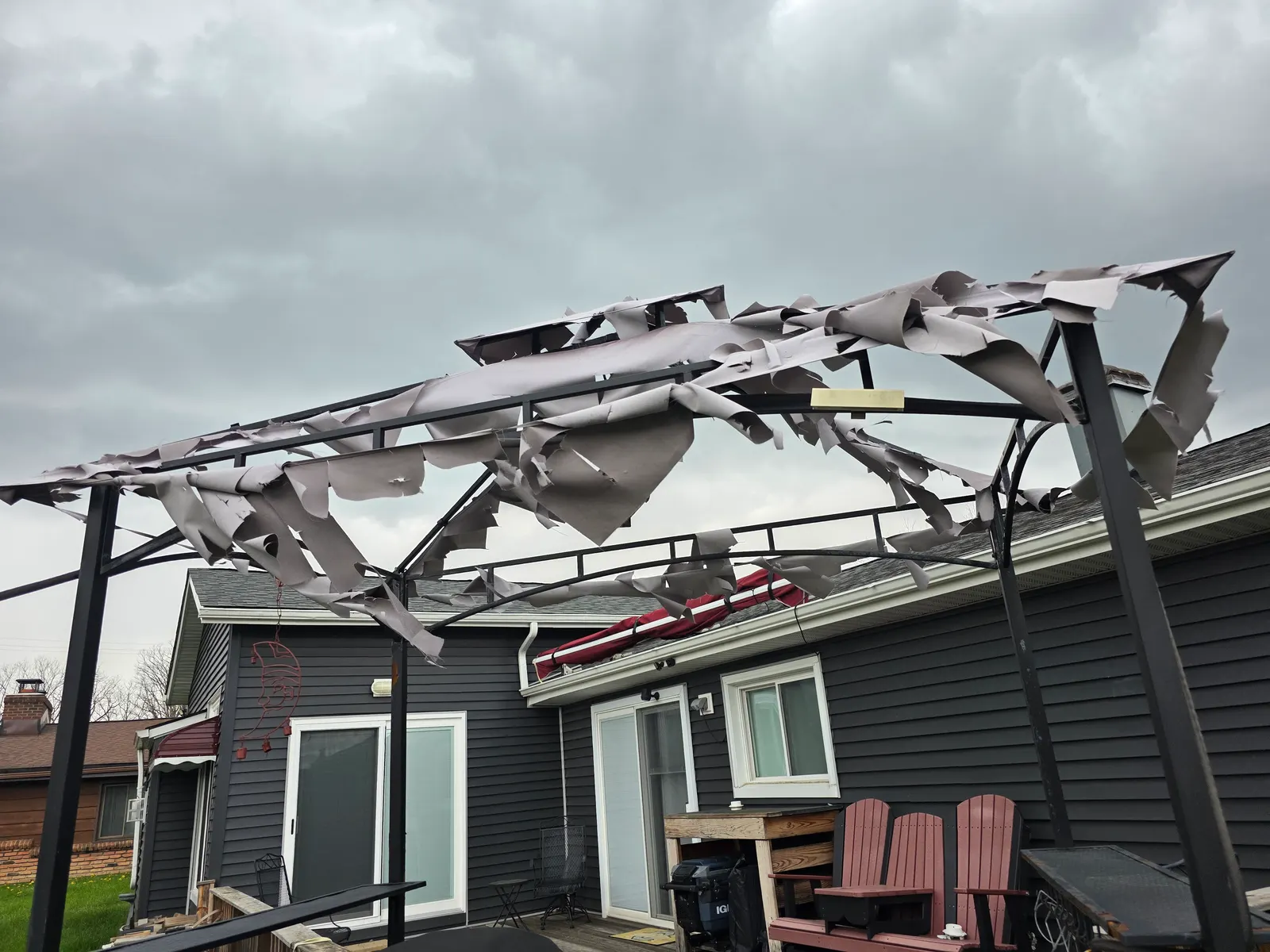
On asphalt shingles, hail usually leaves one of three marks:
- Granule loss: dark, round spots where the gritty top layer got knocked off and the black mat shows through.
- Bruises: soft spots that feel spongy, like a bruise on an apple. These are easy to miss and only show up up close.
- Cracks and tears: splits in the shingle, often near the edges, from larger hail or hail with high wind.
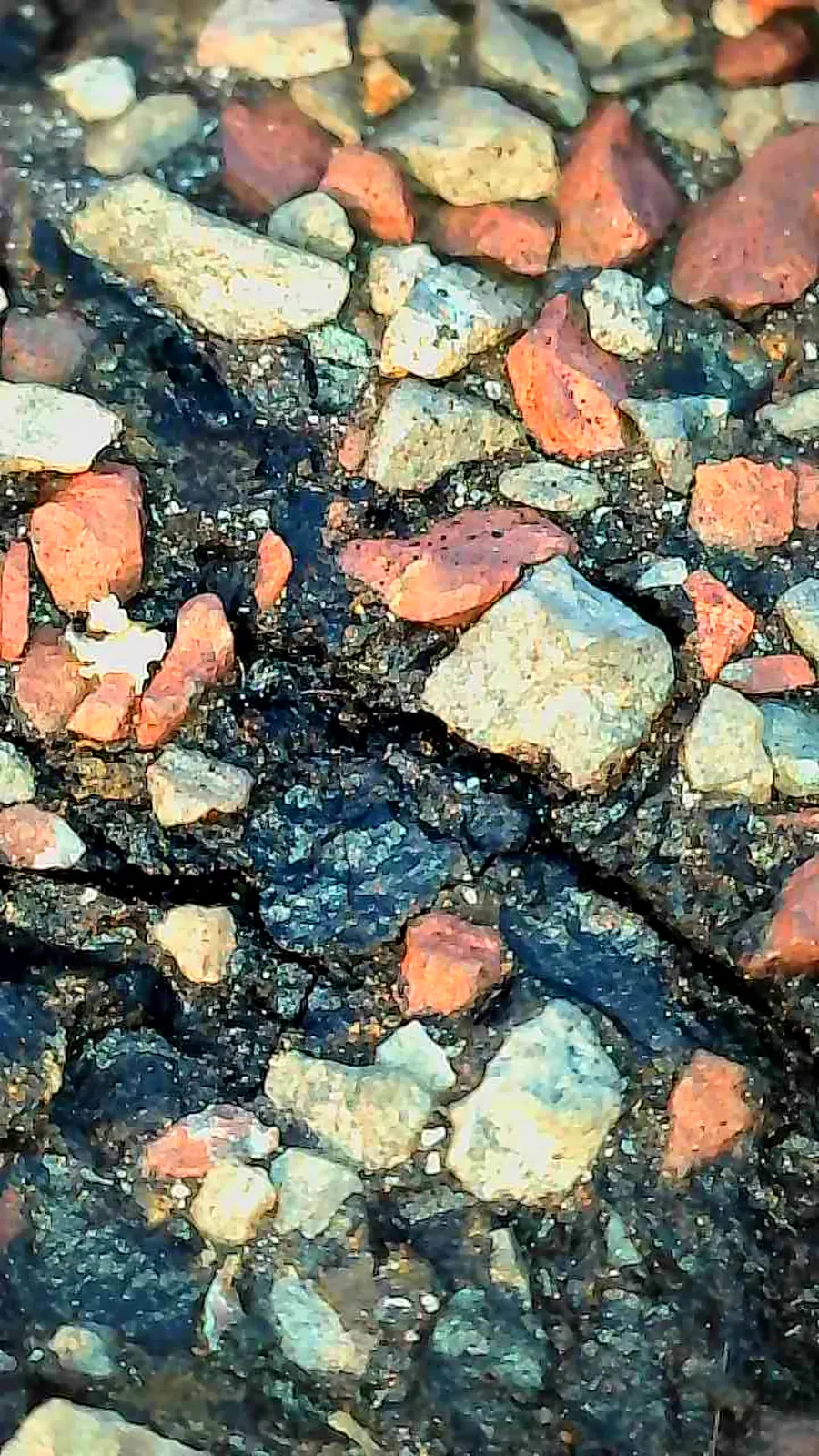
None of these usually leak the next day. That's the trap. Damaged shingles wear out faster and start leaking months or years later, long after the storm and sometimes after the window to file an insurance claim has closed.
Stay off the roof
Wet or damaged shingles are slick, and most falls happen to homeowners "just taking a quick look." Everything above can be checked from the ground, a window, or a ladder at the gutter line. Walking the roof is the roofer's job.
What to do after a hail storm
- Write down the storm date. You'll need it if you file a claim.
- Take photos of anything dented, cracked, or torn, plus any hail you can still see on the ground with something for scale.
- Check your attic and ceilings for water spots, especially after the next rain.
- Get an inspection from a local roofer who will get on the roof and show you photos of what they find, or tell you it's fine.
- Read your policy for your deductible and any deadline for filing a claim. These vary by policy and state.

Watch out for storm chasers
After a big hail storm, out-of-town crews knock on every door in the neighborhood. Some are fine. Plenty aren't. Be careful with anyone who:
- Pushes you to sign today, before you've had an inspection or talked to your insurer.
- Asks for a big deposit up front.
- Offers to "cover" or waive your deductible. In some states that's illegal, and it's a red flag everywhere.
- Can't show you a local address, references, or reviews from your area.
- Claims there's damage before anyone has been on the roof.
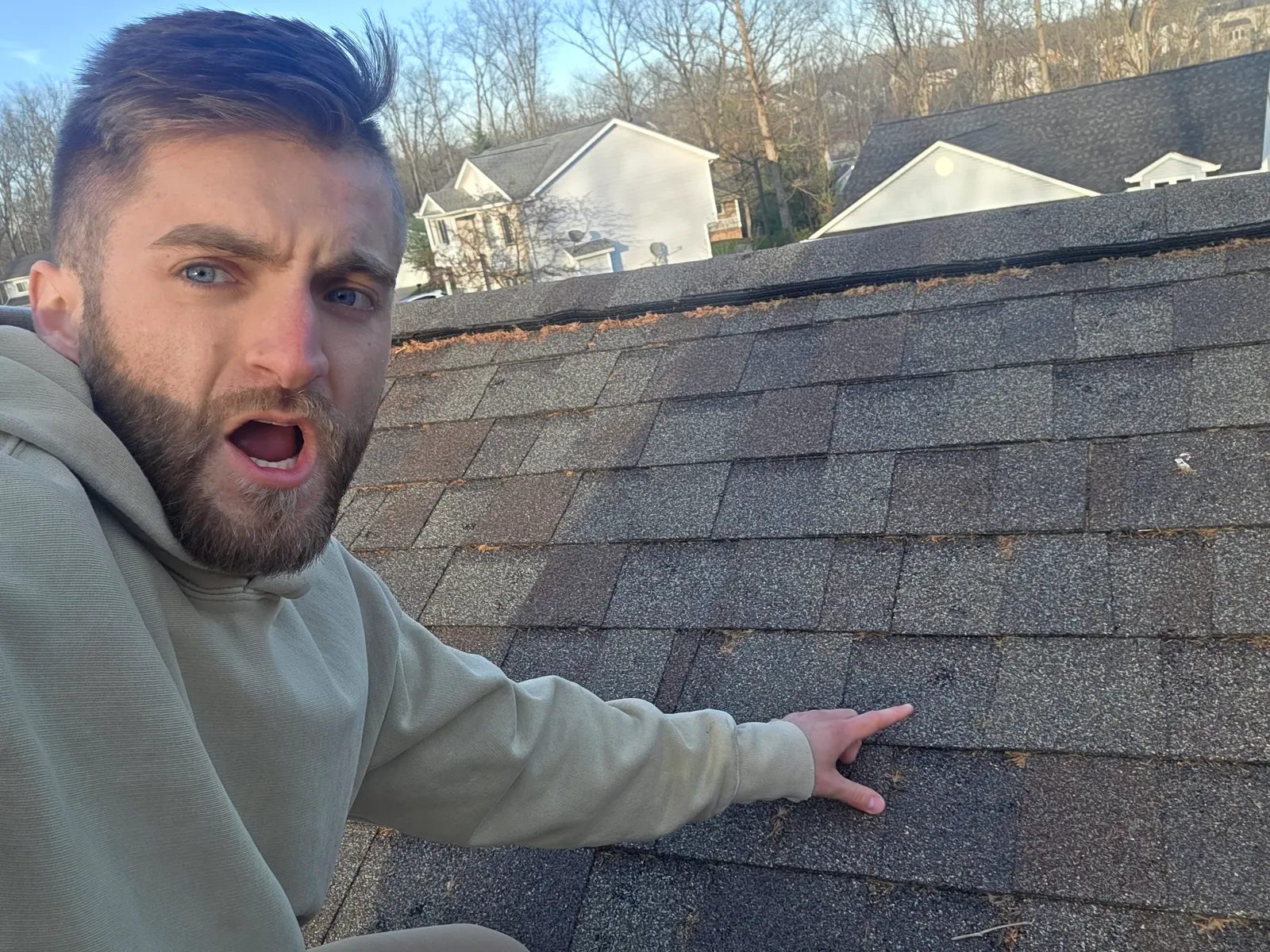
That last one is why Roofory exists. I ran a roofing company in Dayton for years and watched good homeowners get burned after storms. Every Roofory roofer signs a No-Pressure Sales Pledge and is held to a 95% homeowner-satisfaction standard. One roofer per area, accountable to their neighbors.
Common questions
What size hail damages a roof?
Asphalt shingles can start to show damage from hail around 1 inch across (quarter size). Golf-ball hail, about 1.75 inches, very often leaves damage. Older or worn roofs can be damaged by smaller hail.
Can a roof have hail damage without leaking?
Yes. Most hail damage does not leak right away. Bruised shingles and lost granules wear out faster and can start leaking months or years later, which is why an inspection soon after the storm matters.
Should I file an insurance claim for hail damage?
Get an inspection first so you know whether there is real damage. If there is, review your policy for your deductible and any claim deadline, which varies by policy and state, and document everything with photos and the storm date.
Is it safe to check my roof myself?
Stay off the roof. Everything in this guide can be checked from the ground, a window, or your gutters. Leave walking the roof to a roofer with proper safety gear.